What is a Fashion Stylist?
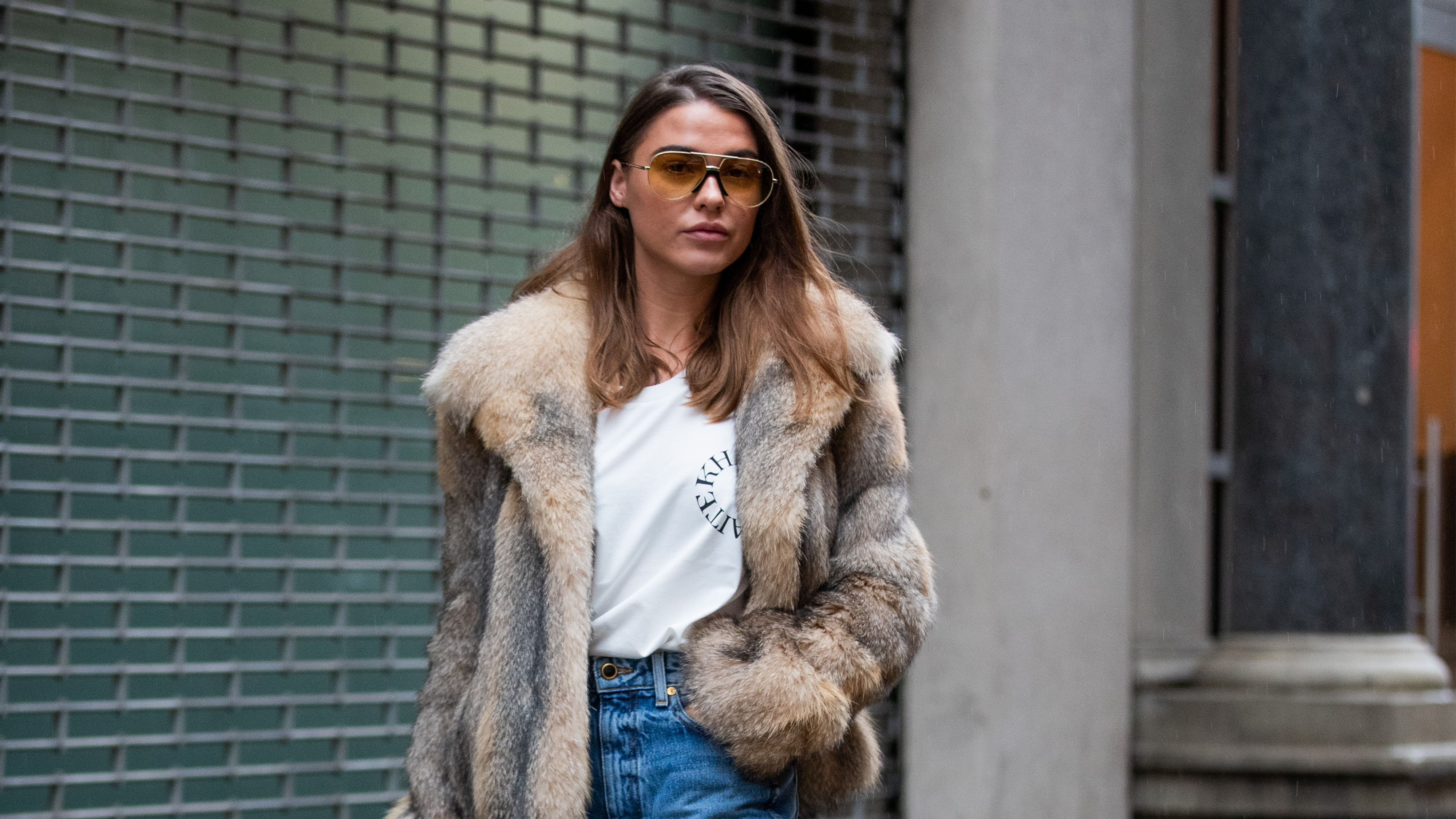
A fashion stylist plays a pivotal role in the clothing and fashion industry, often working behind the scenes to create visually captivating outfits and trends. The primary responsibility of a fashion stylist is to select clothing and accessories for various clients, including models, celebrities, and public figures, ensuring that each persona aligns with a specific image or brand. This task involves a deep understanding of fashion trends, color theories, body types, and personal aesthetics.
The Various Responsibilities of a Fashion Stylist
Fashion stylists work in a variety of environments, such as personal styling, editorial styling, and commercial styling. In **personal styling**, they collaborate directly with clients to improve their wardrobe and personal appearance. They evaluate the individual’s physical traits, lifestyle, and tastes to put together outfits that are stylish and also express personal identity.
In **editorial styling**, fashion stylists collaborate with photographers, designers, and art directors to create compelling visual stories for magazines, advertisements, and promotional materials. Their work requires a keen eye for trend forecasting and a deep understanding of how clothing and accessories can be used to convey a narrative or theme.
**Business fashion design** requires a combination of innovation and functionality. Professionals in this field outfit individuals for TV ads, movie sets, or business functions, making sure that the chosen attire complements the company’s message and attracts the intended viewers.
Abilities and Traits of a Thriving Fashion Stylist
Achieving success in styling requires a combination of creative ability and business skills. A key aspect is staying updated with the constantly evolving fashion trends. This typically includes going to fashion events, building connections with professionals in the industry, and regularly reviewing fashion magazines. Additionally, excellent organizational capabilities allow stylists to handle several clients and projects at once, while efficiently dealing with the complexities of sourcing attire and arranging fittings.
Another essential quality is strong communication skills. Fashion stylists need to effectively convey their ideas to clients, engage in discussions with clothing brands for garments and accessories, and work seamlessly with other team members. Being adaptable is just as important in this rapidly changing field, enabling stylists to meet diverse demands, whether revamping a client’s clothing collection or designing themed ensembles for a photoshoot.
Research Example: Rachel Zoe and Famous Fashion Assistance
A renowned example of a successful fashion stylist is Rachel Zoe, known for her work with top celebrities such as Anne Hathaway and Cameron Diaz. Zoe’s influence in styling has extended far beyond dressing celebrities; she has become an emblem of fashion diplomacy, using her platform to launch fashion lines and digital media ventures. This case illustrates how fashion stylists can transition from behind-the-scenes roles to becoming influential figures in the industry.
“`html
The Effect of Technology and Social Channels
“`
The digital age has redefined the reach and impact of fashion stylists. Platforms like Instagram and Pinterest serve as visual portfolios for stylists, amplifying their work to global audiences instantly. Social media not only facilitates brand collaborations but also personal branding opportunities for stylists. Technology tools such as virtual fitting rooms and style apps have introduced new dynamics into personalized styling, allowing stylists to interact with clients virtually, transcending geographical barriers.
Through creativity and innovation, fashion stylists have become architects of style in society. Their influence spans beyond clothes, touching on self-expression and cultural phenomena. As the fashion landscape continues to evolve, so will the role of the fashion stylist, cementing their stature as vital contributors to the ever-turning wheel of style.