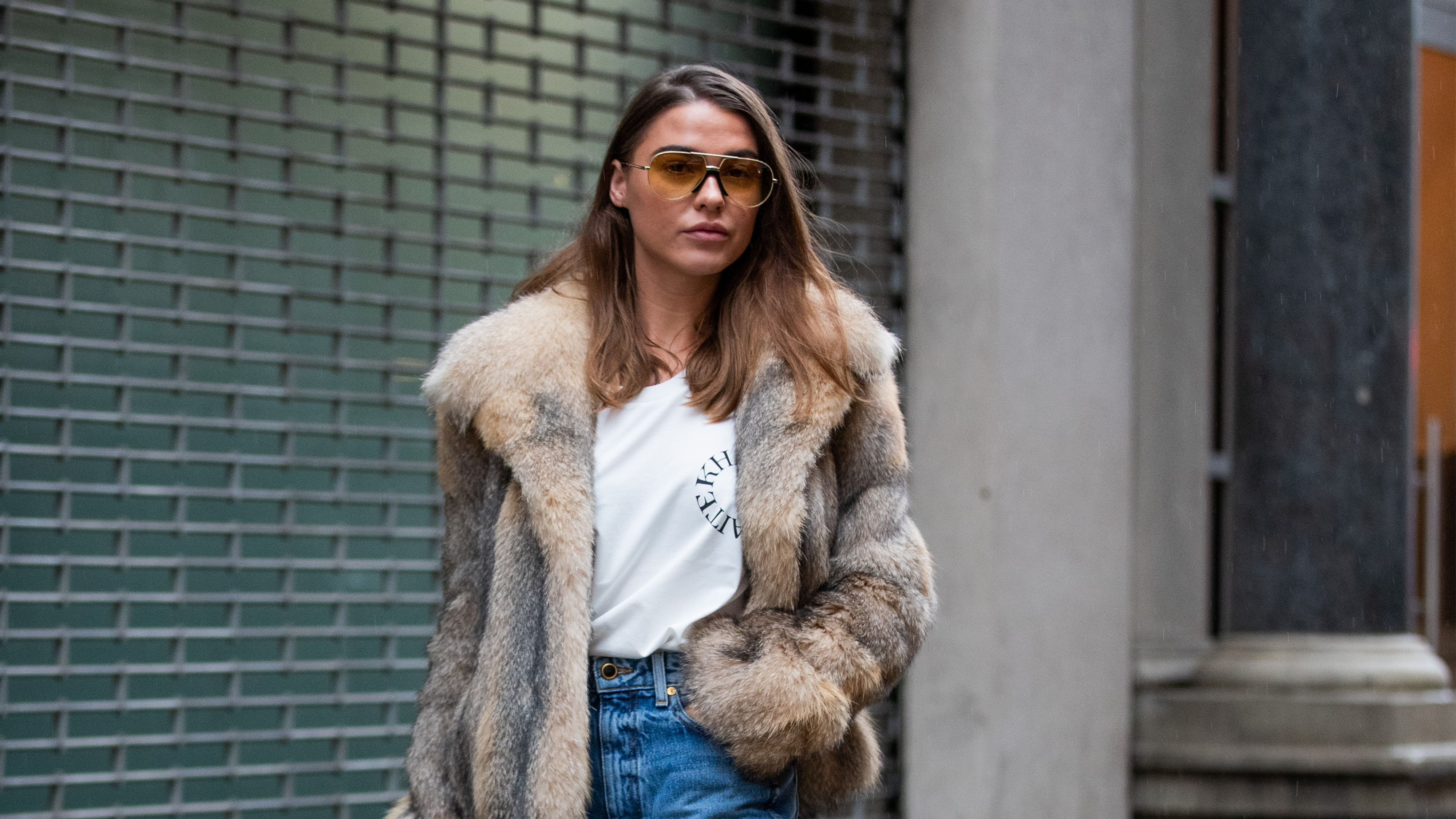
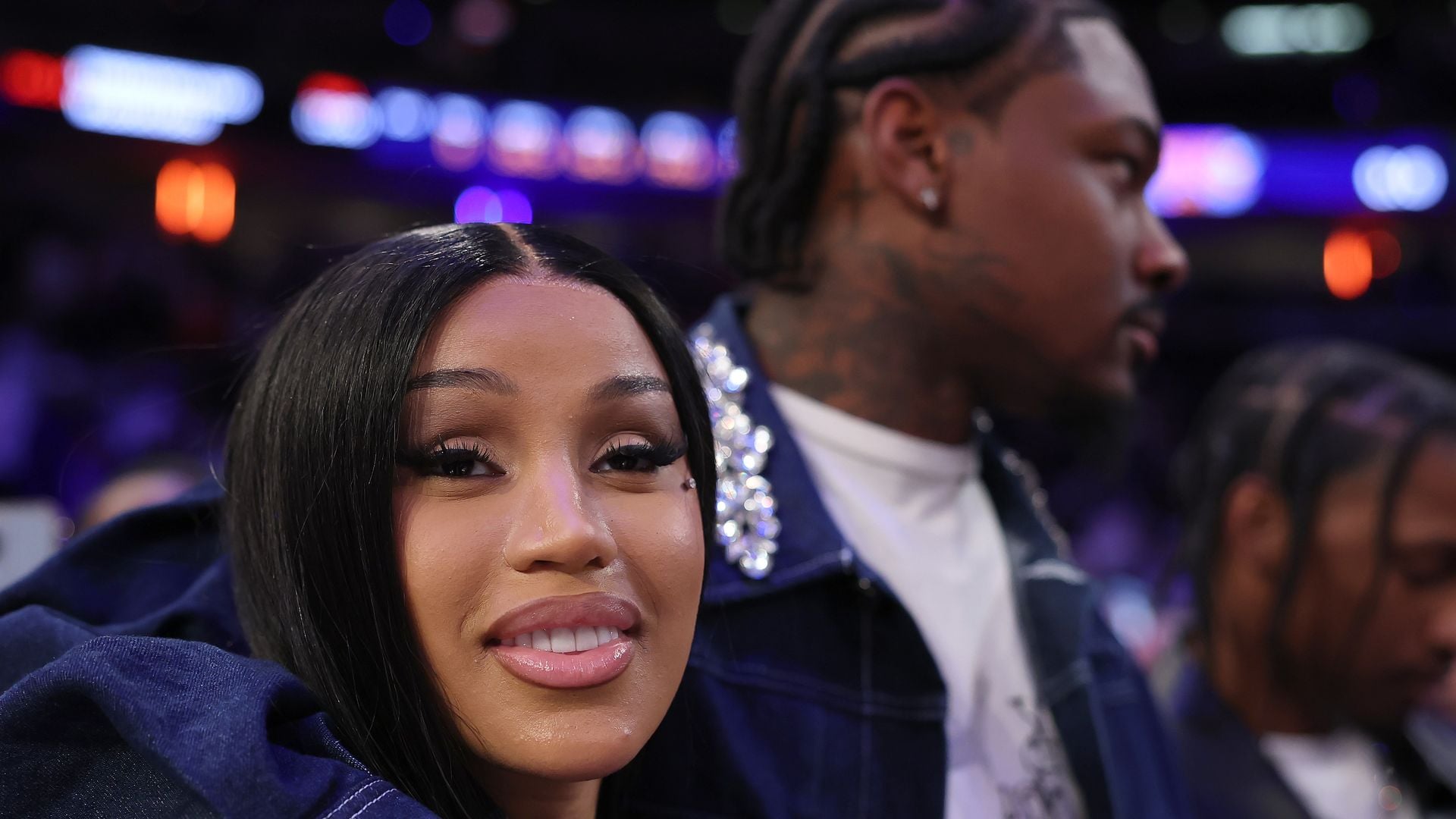
What Does Maximalist Style Mean?
Maximalist fashion represents a lively and audacious approach that encompasses abundance, intricacy, and diversity. In contrast to minimalist fashion’s understated nature and subdued color schemes, maximalism features striking patterns, numerous layers, and a confident blend of materials and designs. This style flourishes with the belief that more is indeed more, questioning conventional ideas of taste and beauty.
The Beginnings and Development of Extravagant Fashion
Emerging as a counter-response to minimalism, maximalist fashion finds its roots in art movements like Baroque and Rococo, known for their intricacies and opulence. The style gained modern traction in the 1980s through designers like Vivienne Westwood and Christian Lacroix, who broke away from the understated aesthetics of previous decades. These pioneers embraced an explosion of color, texture, and form, fostering a fashion revolution that celebrated individualism and self-expression.
In the 21st century, maximalist fashion has transformed once more, driven by social networks and the democratization of style platforms. Instagram and Pinterest have turned into prime locations for presenting daring, vibrant outfits that challenge traditional norms. The digital age enables fashion lovers and influencers to quickly curate and spread their lavish aesthetics, thereby broadening the reach of maximalism globally.
Key Elements of Maximalist Fashion
Layering: Perhaps the most defining element of maximalist fashion is its approach to layering. The style celebrates combining various garments in unexpected ways, encouraging experimentation. For instance, pairing a polka dot blouse with a floral skirt, topped with a striped blazer, illustrates how maximalism thrives on orchestrating chaos within an outfit.
Color and Print: Maximalist fashion breaks boundaries with its fearless use of vibrant colors and bold prints. It’s not uncommon to see outfits where neon greens clash harmoniously with fiery reds or ensembles that mix animal prints with geometric shapes. This boldness allows the wearer to make a powerful statement and express a distinctive personality.
Accessories: In maximalism, accessories play a crucial role in completing a look. An array of oversized hats, chunky jewelry, and colorful handbags are often employed to add layers of complexity and detail. The style champions the idea that every piece should have a distinct voice, contributing to the overall narrative of the outfit.
Who is Embracing Maximalist Fashion?
Maximalism appeals to those who find joy in expressing their individuality through attire. Celebrities, fashion influencers, and everyday fashion aficionados who aren’t afraid to stand out often gravitate towards this style. Fashion icons like Iris Apfel and Harry Styles have become synonymous with maximalism, each embodying an eclectic approach that’s both unapologetic and celebratory.
Designers like Gucci under Alessandro Michele have revitalized maximalism on the global stage with collections that blend eras and cultures into a singular, vivid canvas. By doing so, they have undoubtedly influenced high-fashion runways and mass-market retailers alike.
Maximalist Fashion in the Context of Sustainability
Although maximalist fashion may seem contrary to sustainability because it focuses on abundance, there is an increasing movement toward ethical maximalism. This method includes obtaining vintage clothing, reworking attire, and backing designers who are dedicated to eco-friendly practices. The curated essence of maximalism aligns nicely with the thoughtful creation of enduring wardrobes made up of distinctive, previously-owned pieces.
Maximalism’s embrace of pre-owned garments not only cuts down on waste but also honors the legacy and artistry of vintage pieces. In this way, maximalism can play a beneficial role in fostering a more environmentally aware fashion industry.
The appeal of maximalist fashion lies in its vibrant celebration of individuality and creativity. It invites us to revel in the joyful complexity of color, texture, and form, transforming garments into outspoken narratives of self-expression. As the world continues to embrace diverse identities and personal stories, maximalist fashion stands as a testament to the boundless possibilities of style.