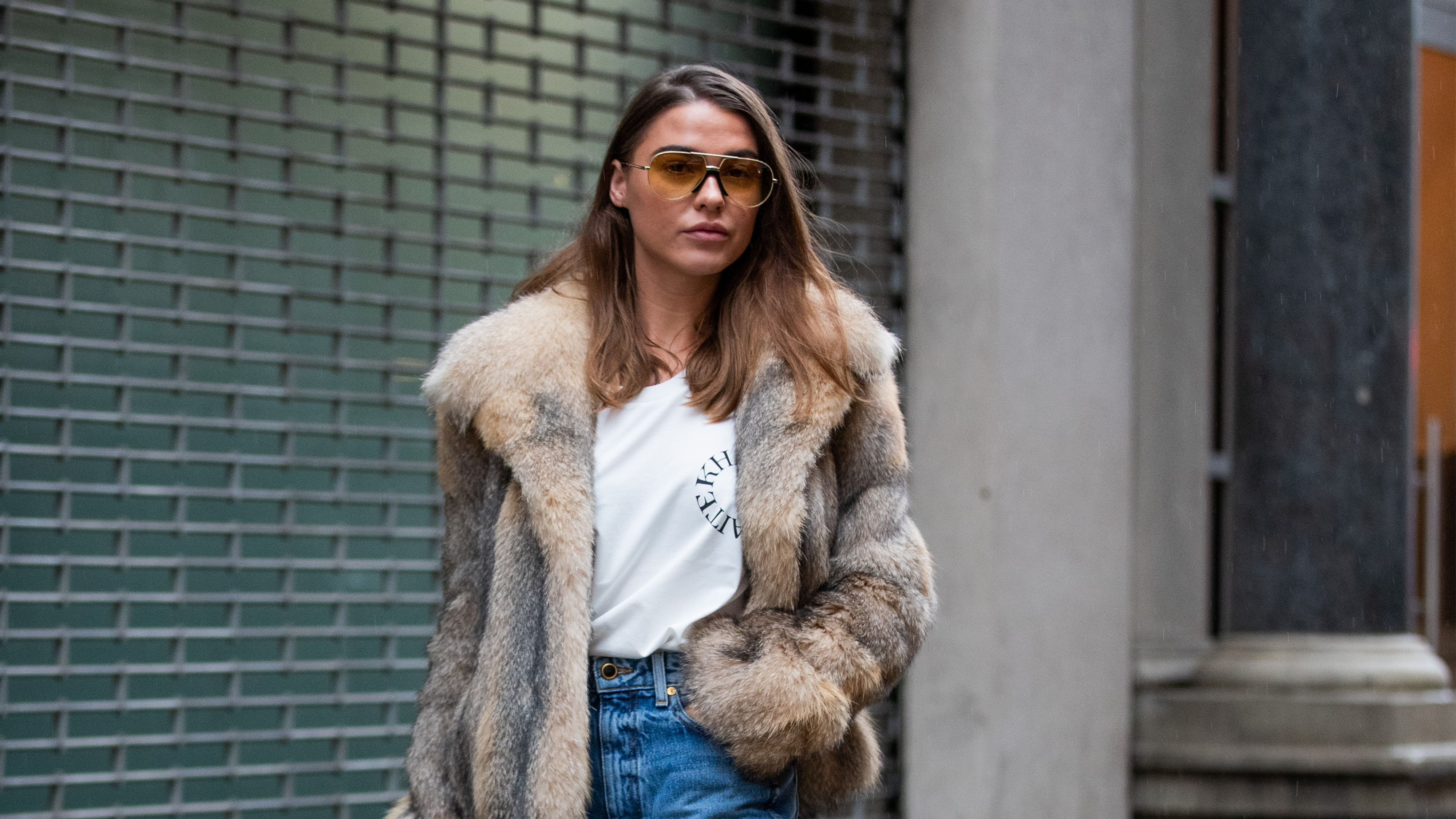
What is Street Style?
Street fashion, a vibrant and continually changing element of the worldwide fashion scene, goes beyond traditional styles by celebrating uniqueness and cultural expression. It represents a natural form of self-expression that flourishes away from the restrictions of high-fashion catwalks and styled magazine spreads. Originating from the various city environments, street fashion is frequently seen as a true mirror of societal changes, personal stories, and cultural identities.
The Transformation of Urban Fashion
Emerging in the post-World War II era, street style began to carve its distinct identity as youth subcultures sought to defy the traditional sartorial codes imposed by society. In the 1950s and 1960s, mods, rockers, and beatniks in cities like London and New York used clothing as a medium to broadcast their rebellion and musical preferences. This period marked the beginning of fashion as a statement of cultural affiliation and personal identity.
As the 20th century progressed, street style continued to evolve. The 1980s and 1990s brought the rise of hip-hop and skate culture, influencing the proliferation of baggy jeans, graphic tees, and sneakers—an aesthetic that has remained influential to this day. The turn of the millennium introduced elements of Japanese street fashion and the high-low mix seen in the clash between high-end designer pieces and thrift store finds.
Characteristics of Street Style
Street style is marked by its variety and adaptability. Unlike conventional fashion, it is not limited by seasonal trends nor controlled by fashion designers. This style encourages a unique fusion of different styles, merging distinct components to form fresh aesthetics. Key aspects typically involve:
1. Authenticity and Individualism: At its core, street style represents an authentic expression of personal taste. Individuals use clothing to tell unique stories and convey their identities, leading to a rich tapestry of styles reflecting ethnic, social, and subcultural diversity.
2. Influence of Urban Environments: Urban settings provide the canvas for street style. Cities such as Tokyo, Paris, and Milan serve as bustling theaters where fashion narratives are continuously reimagined. Each city’s cultural fabric significantly influences the style landscape, resulting in distinct expressions of street fashion.
3. Impact of Social Networks: The digital era has boosted the propagation and speed of street fashion. Platforms such as Instagram and TikTok have made fashion more accessible, enabling style influencers and regular individuals to display their artistry worldwide. This has eased the spread of trends, turning street fashion into a global craze.
Case Studies: Pioneers of Street Style
To illustrate the impact of street style, it’s worthwhile to examine influential figures who have shaped this movement:
Bill Cunningham: The deceased New York Times photographer revolutionized the capturing of street fashion. Through his spontaneous imagery, he chronicled the diverse clothing selections of ordinary New Yorkers, breaking the restrictive barriers of the fashion world and honoring uniqueness.
Virgil Abloh: As the founder of Off-White and former artistic director of Louis Vuitton’s menswear, Abloh redefined luxury fashion by injecting streetwear sensibilities into high fashion. His work exemplifies the blend of street style with established fashion norms, propelling it into the mainstream consciousness.
Chiara Ferragni: An Italian entrepreneur and fashion influencer, Ferragni has become a global icon of street style. Through her blog and substantial social media presence, she illustrates how personal style can turn into worldwide influence.
The Influence of Urban Fashion on Clothing Trends and Society
The influence of street fashion goes beyond just clothing—it affects music, art, and social movements too. It functions as a means for marginalized voices to express themselves, providing a stage for communities that are often overlooked to display their creativity and cultural background. Additionally, it sparks discussions on social matters like sustainability, ethical fashion, and cultural appropriation.
Ultimately, street style challenges the status quo and encourages continuous dialogue within the fashion industry, pushing boundaries and inspiring designers to reconsider conventional ideas of beauty and design. Its fluid nature reflects the ever-changing cultural landscape, embracing transformation while fostering connection among individuals worldwide.